
Explore the history of the Rainforest Action Network and environmental activism with author and WMU Associate Professor of History Dr. David Benac.
Registration Required
Rainforest Radicals presents the first history of one of the most innovative and successful environmental organizations of the late twentieth century. Rainforest Action Network emerged in 1985, when it took over a fledgling effort to protect rainforests from transnational corporations funding the expansion of tropical cattle ranching. It excelled at using nonviolent, civil disobedience in dramatic campaigns that captured the attention of the public, media, and RAN’s corporate adversaries. As a result, two decades later rainforest conservation went from a niche academic topic to a fixture in American popular culture, the rights of Indigenous people had gone from ignored or romanticized to at least considered in discussions of the management of their ancestral homelands, and RAN had scored a series of victories over some of the planet’s largest corporations.
In Rainforest Radicals, David Benac traces the evolution of RAN and radical, transnational grassroots environmentalism through the four campaigns identified at the group’s founding: rainforest beef, Hawai‘ian rainforests, tropical timber, and multinational development banks. Forty years after RAN’s inception, there is much to learn from how it organized people in small towns and large cities across the United States, created alliances that spanned oceans, and inspired a new movement that integrated human rights, Indigenous sovereignty, and environmental protection to challenge multinational corporations, national governments, and neocolonial corporate-led globalism.
Through more than thirty oral histories, including those of key players from different eras of RAN’s history as well as leaders from other environmental and Indigenous rights organizations, Rainforest Radicals provides unparalleled insight into the network.
David Benac is an environmental and public historian of the post-WWII United States. His research investigates how people act on their perceptions of nature, the science of ecology, and the philosophy of ecocentrism. He is also the author of Conflict in the Ozarks: Hill Folk, Industrialists, and Government in the Courtois Hills.
All participants are welcome. If you anticipate needing any type of accommodation or have questions about the physical access provided, please email Jacob Lambert in advance of your visit.
Location Details: Austin, Sugarloaf, and West Lake rooms which are located on the lower level of the library.
Event Contact: Jacob Lambert
AGE GROUP: | Adult |
EVENT TYPE: | Presentation |
TAGS: | 4:Adult Dept | 3:Standard | 2:In person | 1:Adult (18+) |
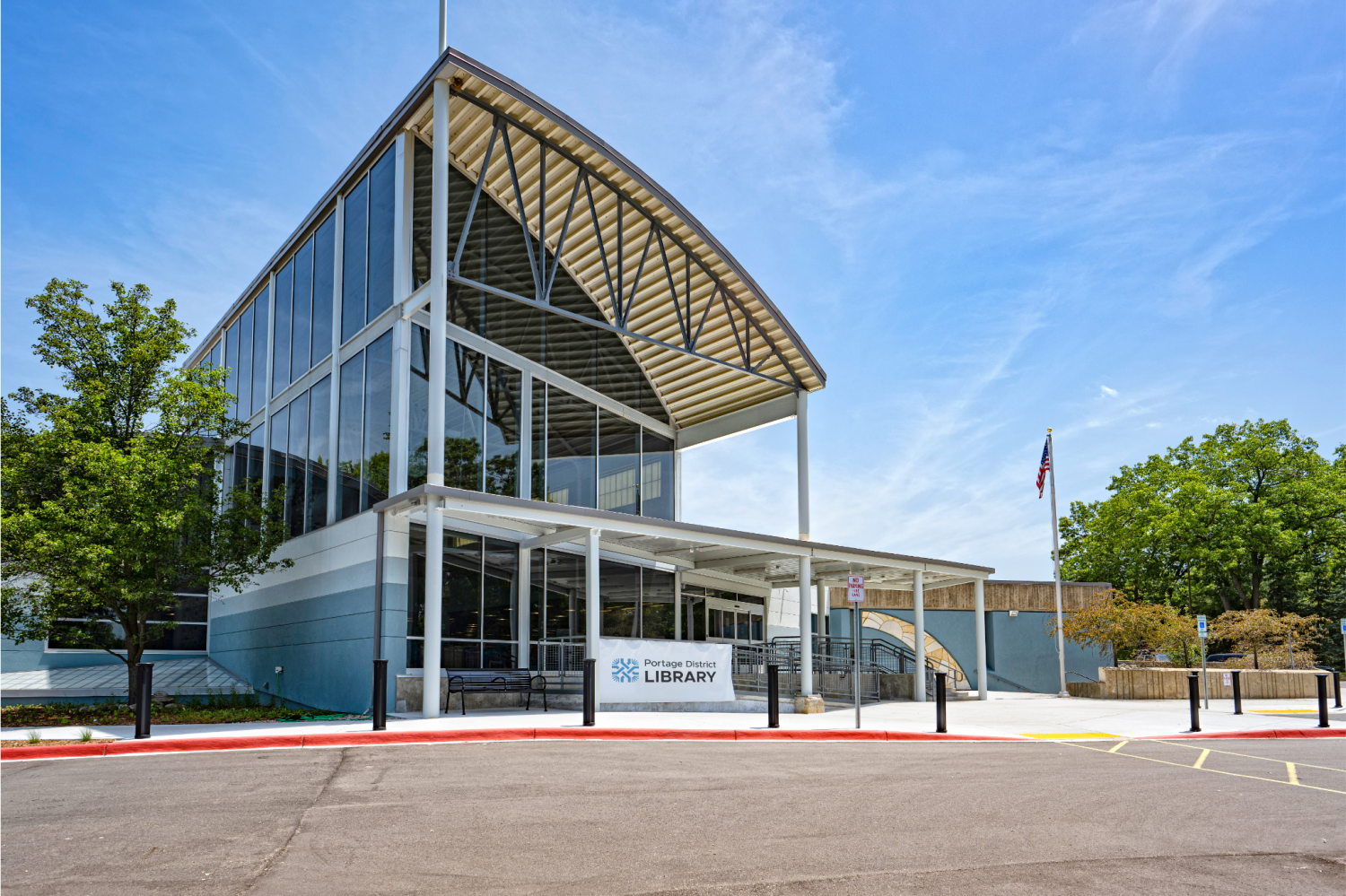
Located near the intersection of S. Westnedge and Shaver Rd, Portage District Library offers ample parking, EV charging, and access to the Portage Bikeway.
